

Montenegro’s progress toward European Union membership is creating a rare investment window where early positioning can significantly influence long-term returns. In markets like this, real estate typically does not wait for formal accession to reprice, it begins reacting years in advance as capital, tourism, and infrastructure flow accelerate.
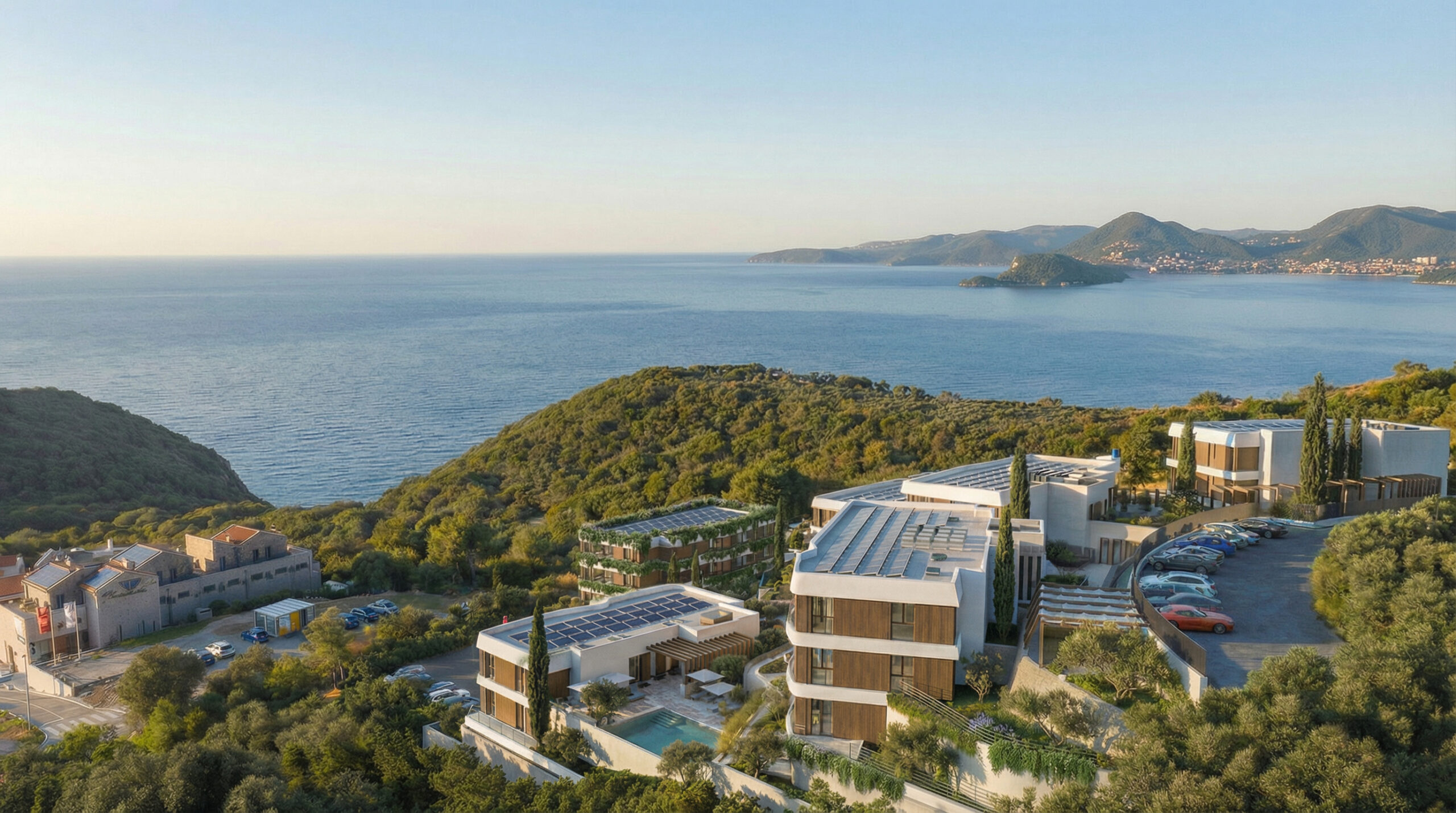
For investors considering premium coastal developments such as Onia Hills, the key question is not only what the project is today, but what it becomes as Montenegro transitions into the EU investment ecosystem.
What EU accession means for the real estate market
EU integration typically drives three structural changes:
First, reduced perceived risk. International buyers and institutional investors gain more confidence, which increases demand for high-quality assets.
Second, increased liquidity and buyer pool. Properties become accessible to a wider European market, especially for second homes and lifestyle investments.
Third, price convergence with EU coastal markets. Over time, destinations like Montenegro tend to align more closely with pricing standards of comparable Mediterranean regions.
For early investors, this phase represents the “pre-repricing window”, the period before full market revaluation occurs.
What investors gain by buying now
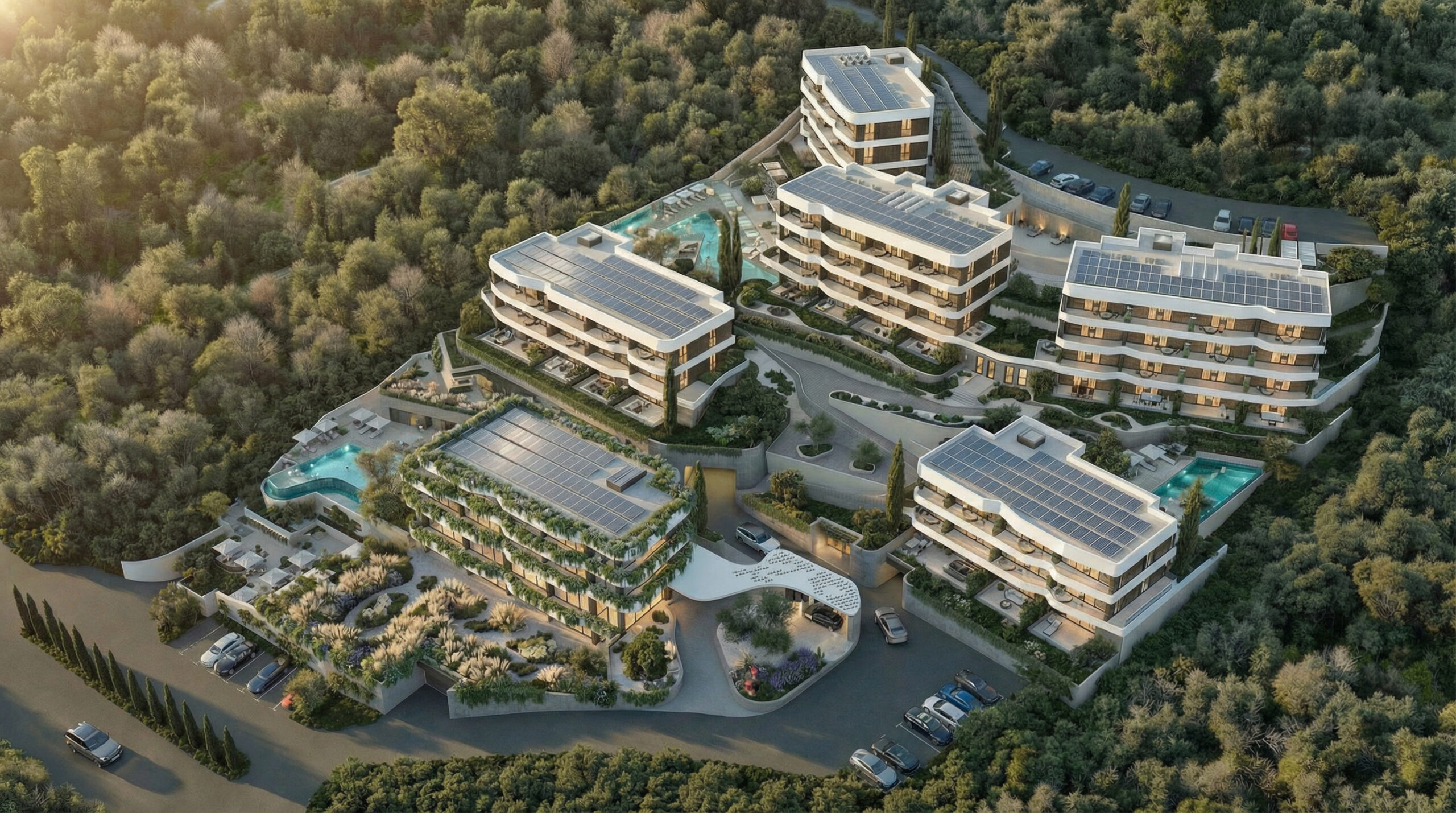
Investing in a unit at ONIA HILLS at this stage typically offers several advantages:
1. Entry at pre-EU pricing levels
Current prices reflect an emerging market, not a fully integrated EU coastal destination. This creates potential upside as demand increases.
2. First access to premium units
Early buyers secure the most desirable layouts, views, and positioning within the development — assets that usually appreciate faster than standard units.
3. Early capital appreciation potential
As Montenegro’s EU path progresses, historical patterns in similar countries suggest gradual but consistent upward price pressure on coastal luxury real estate.
4. Immediate rental usability
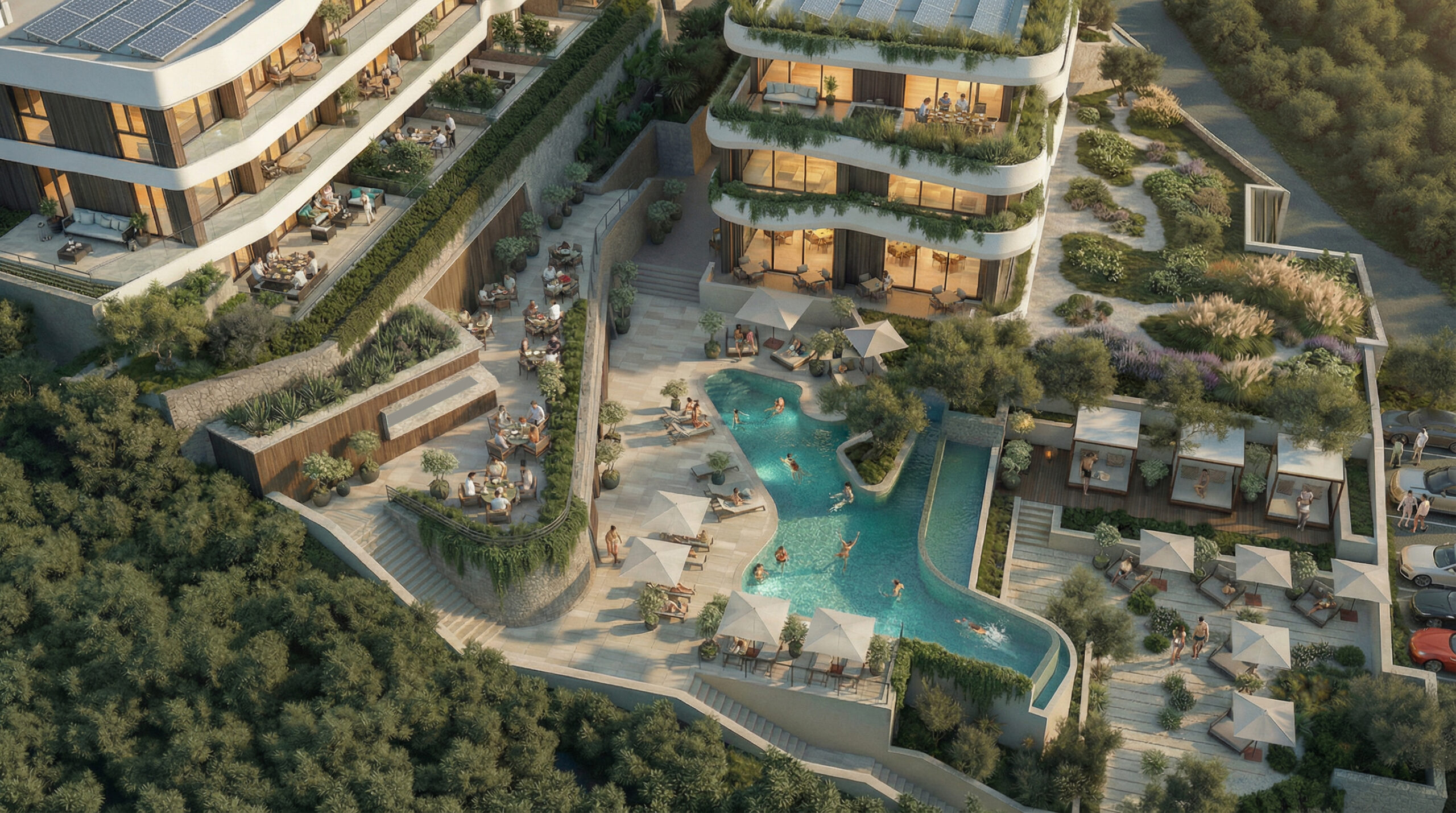
Units are designed not only as residences, but as income-generating hospitality assets from day one.
What happens after EU integration advances
As Montenegro moves closer to EU membership, three shifts typically occur:
- Increased international demand for second homes and investment properties
- Stronger tourism inflows from higher-spending European markets
- Gradual price alignment with established EU Mediterranean destinations
For owners, this means capital appreciation combined with stronger rental demand and occupancy stability.
Rental model and ROI potential at Onia Hills
ONIA HILLS is positioned as a premium managed rental and lifestyle investment concept, designed to generate returns through professional hospitality operations rather than traditional long-term leasing.
How rental income works:
- Fully managed short-term rental program (hotel-style operation)
- Dynamic pricing based on seasonal demand
- Professional marketing to international guests
- Full-service guest management (check-in, cleaning, maintenance)
Investor benefits:
- Passive income without operational involvement
- High occupancy potential during peak Adriatic season
- Access to global booking channels (tourism-driven demand)
- Professional yield optimization to maximize ROI
What investors can expect over time
In a market like Montenegro, returns are typically driven by two components:
1. Rental yield (cash flow)
Generated through short-term premium tourism stays, especially in high-season and shoulder-season extensions.
2. Capital appreciation (asset growth)
Driven by EU convergence, infrastructure development, and rising demand for luxury coastal properties.
The combination of both creates a dual-return model, income today and asset growth tomorrow.
Investing in Onia Hills today means entering a market that is still in its growth phase, but already clearly on a long-term upward trajectory.
For investors, this timing advantage is often the most critical factor in long-term performance, because in real estate, the entry point often determines the return curve more than the asset itself.