

Nestled along the Mediterranean coast, Onia Hills is more than just a resort – it is a thoughtfully designed sanctuary where architecture quietly mirrors the rhythms of nature. In this exclusive interview, the lead architect behind the project Nikola Radovic, NRA Atelier reflects on the philosophy, inspirations, and design choices that shaped Onia Hills into a place of understated luxury and profound connection with the landscape. From reinterpreting local traditions to harmonizing sustainability and privacy, this dialogue offers insight into a design process rooted in sensitivity, restraint, and respect for context.
HOW WOULD YOU DESCRIBE THE ARCHITECTURAL PHILOSOPHY OF ONIA HILLS?
Nikola: Onia Hills is conceived as a space of silence and balance – architecture that does not dominate the landscape but listens to and respects it, creating an environment where contemporary luxury blends with Mediterranean humility, and the way of life naturally aligns with the rhythm of the place.
WHAT WAS THE MAIN INSPIRATION FOR THE DESIGN?
Nikola: The main inspiration arose from the context itself – the topography of the terrain, the microclimate, local materials, and the way traditional architecture adapted to the spatial conditions. Instead of imposing a predefined form, we approached the project as a dialogue with the landscape, seeking solutions that are functional, durable, and aesthetically subtle. At the same time, we were inspired by the lifestyle Onia Hills aims to encourage – slower, more mindful, where the space does not stimulate hyperproduction, but allows for peace, presence, and a deeper connection with nature.
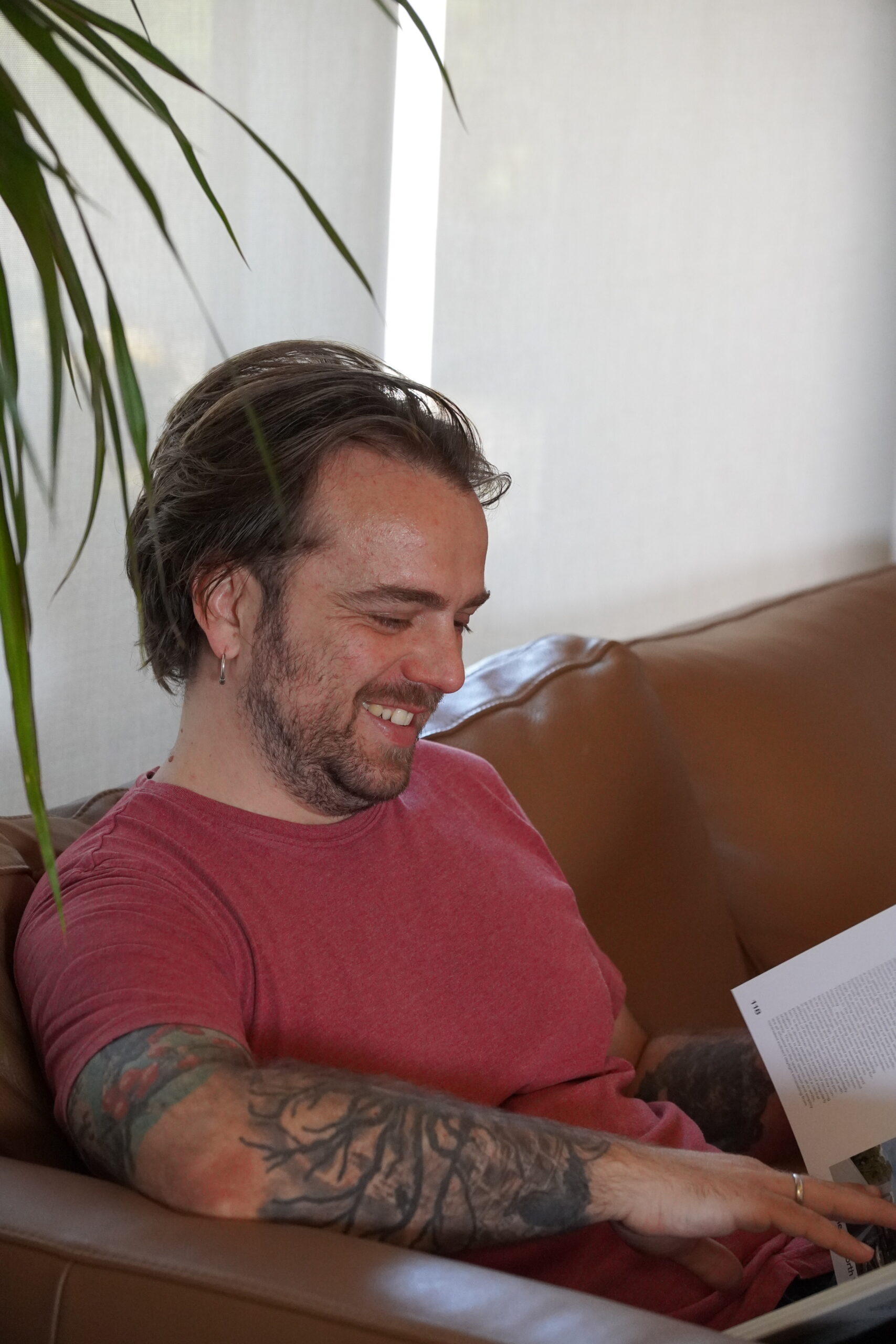
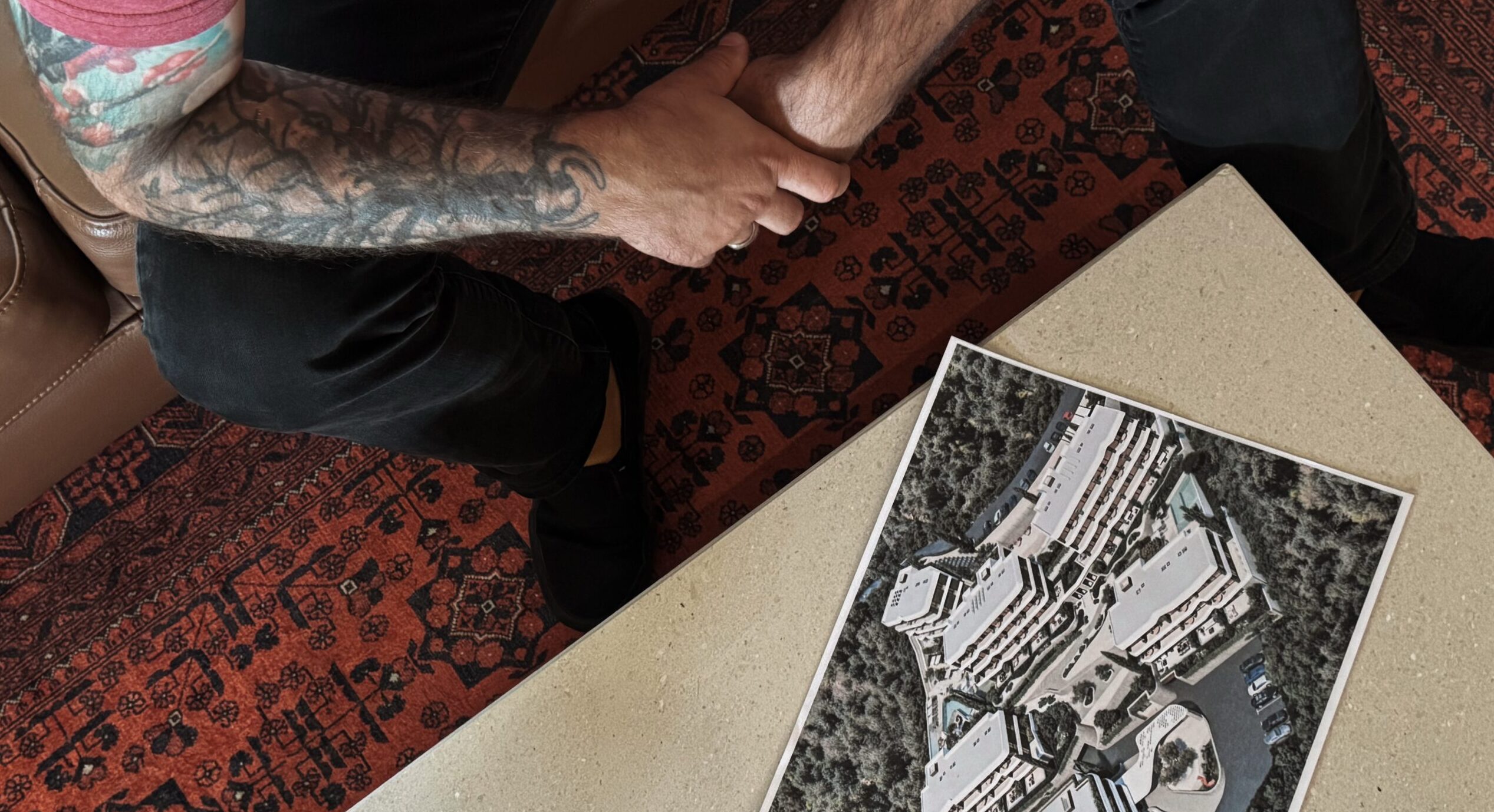
HOW DID THE LOCAL MEDITERRANEAN TRADITION INFLUENCE THE CHOICE OF MATERIALS AND FORM?
Nikola: The local Mediterranean tradition was an important guide in the design process, not as a form to be replicated, but as a set of principles that have proven to be sustainable and meaningful over time. The use of local stone, wooden elements, and natural tones stemmed from the desire to integrate the buildings into the landscape and rely on materials that have stood the test of this climate. Traditional forms, such as simple volumes, deep shadows, and flexible transitions between indoor and outdoor spaces, were reinterpreted in a contemporary language to preserve authenticity while addressing modern user needs.
HOW DID YOU MANAGE TO RECONCILE LUXURY AND SUSTAINABILITY IN THIS PROJECT?
Nikola: In the Onia Hills project, luxury and sustainability were not treated as opposing concepts but as complementary values. We redefined luxury through the quality of space, the longevity of materials, carefully planned views, and the sense of tranquility the space provides. Instead of relying on extravagant gestures, we focused on essential qualities: natural ventilation, orientation of buildings toward the sun and sea, use of local and durable materials, and minimal intervention in the landscape. Sustainable principles are integrated into the core concept, not as an addition but as a foundation. In this way, luxury becomes an experience of space that is thoughtful, quiet, and in harmony with its surroundings.
5. WHICH ARCHITECTURAL ELEMENTS DO YOU CONSIDER THE MOST STRIKING AT ONIA HILLS?
Nikola: The most striking elements are those that emerge from the relationship between architecture and the landscape – spaces where the boundary between indoors and outdoors becomes fluid. Stone walls that shape views and create a sense of shelter, deep openings that frame the sea, and carefully positioned terraces that follow the slope of the terrain allow users to experience the space through light, silence, and vistas. Rather than emphasizing formal gestures, we focused on atmosphere, on how the space influences the everyday experience. These subtle elements, which almost go unnoticed, leave the strongest impression because they allow the architecture to be felt rather than just seen.
6. HOW DID THE NATURAL ENVIRONMENT AND SEA VIEWS SHAPE THE ARCHITECTURAL SOLUTIONS?
Nikola: The natural environment and sea views were key factors in shaping the architectural solutions. Instead of treating the landscape as a backdrop, we considered it a starting point: the terrain’s topography guided not only the positioning but also the form of the buildings, which follow the contours of the natural slope. In this way, the architecture fits organically into the landscape without aggressive interventions. Each unit is oriented to maximize the view while maintaining a sense of privacy. Openings are carefully dimensioned to frame vistas, allow natural ventilation, and provide optimal lighting. The architecture thus becomes an extension of the landscape – discreet, harmonious, and in service of the spatial experience.
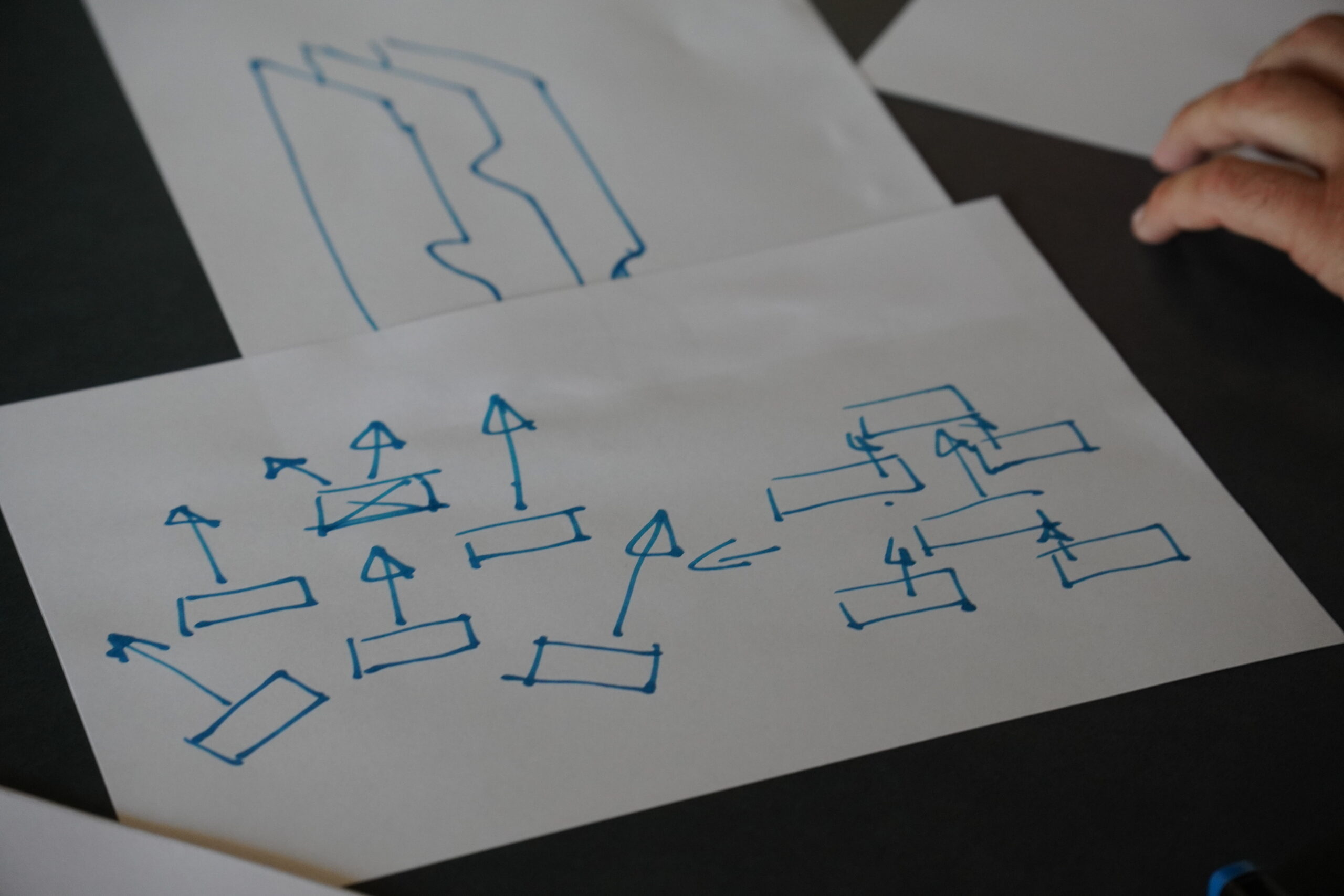
7. HOW DID YOU APPROACH CREATING PRIVACY WITHIN A SHARED RESORT STRUCTURE?
Nikola: We approached privacy as an integral part of the quality of stay, not as an add-on. Solutions emerged from a careful analysis of the terrain, views, and relationships between the units. Various levels, orientations, and natural barriers – such as green belts, stone walls, and thoughtfully designed in-between spaces – were used to create a sense of shelter without enclosure. Each unit has a clearly defined intimate space, but also the possibility of spontaneous interaction in shared areas. In this way, a balance was achieved between the individual and the collective: between withdrawal and belonging. Architecture does not impose boundaries but shapes them through space, material, and the rhythm of movement.
8. IS THERE A PARTICULAR DETAIL IN THE PROJECT THAT FEELS ESPECIALLY PERSONAL TO YOU AS AN ARCHITECT?
Nikola: There are several moments in the project that are particularly close to me, but one detail that stands out is the way the space opens toward the landscape – without drama, but with clear intent. For example, certain passages or openings that frame the sea view are not the result of a formal gesture but of careful thinking about how the user experiences the space in motion. These moments, where architecture retreats to highlight what is beyond it, carry a powerful message for me. They remind me of the values that matter to me both as an architect and as a person: restraint, respect for context, and the creation of spaces that don’t seek attention but allow for presence.
Interested to discover more about our project?
Call us:+38269566193
E-mail us: info@oniahills.me
Visit our website: www.oniahills.me